


Cast vs Extruded Acrylic — What's the Difference?
Rio Acrylic | Material Education Guide
When sourcing acrylic sheets in Saudi Arabia, you may encounter the terms "cast" and "extruded." These refer to two different manufacturing processes that produce acrylic with distinct properties. Understanding the difference helps you choose the right material for your signage or fabrication project.
Cast Acrylic — The Manufacturing Process
Cast acrylic is manufactured by pouring liquid monomer between two glass plates (a cell casting process) or into a mold, then curing it. This slower process results in higher molecular weight acrylic with several premium properties:
- Superior optical clarity and light transmission
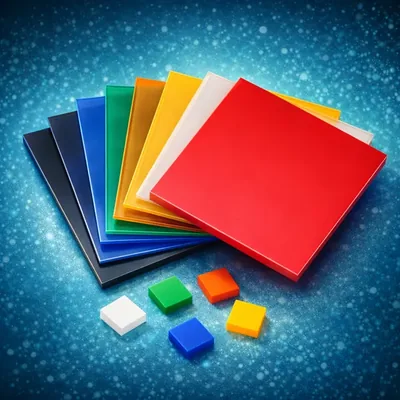
- Wider color and effect range (fluorescent, glitter, patterns, etc.)
- Better performance for laser cutting and laser engraving
- More consistent solvent bonding (acrylic cement works better)
- Higher temperature resistance
Extruded Acrylic — The Manufacturing Process
Extruded acrylic is made by pushing melted acrylic pellets through a die at high temperature and pressure, then cooling it into sheets. This faster, more economical process produces sheets with:
- More consistent thickness tolerance across the sheet
- Lower cost than equivalent cast acrylic
- Good optical clarity (similar to cast for most visual applications)
- Easier thermoforming at lower temperatures
- Limited color range (primarily clear and white)
Cast vs Extruded — Comparison Table
| Property | Cast | Extruded |
|---|---|---|
| Optical Clarity | Superior | Good |
| Color Range | Very wide | Limited |
| Laser Cutting | Excellent — clean, frosty edges | Possible — can melt slightly |
| Thermoforming | Higher temp needed | Easier at lower temp |
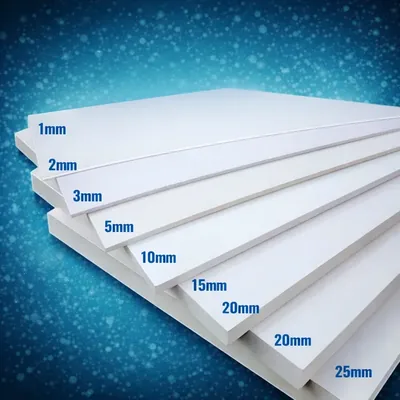
| Thickness Tolerance | Slightly more variable | Very consistent |
| Cost | Higher | More affordable |
| Bonding | Excellent with acrylic cement | Good |
Which Should You Choose for Signage?
Choose cast acrylic when:
- You need a wide range of colors (colored, fluorescent, mirror, special effects)
- The application involves laser cutting or laser engraving
- Premium optical quality is important for the application
- The sign will be solvent-bonded with acrylic cement
Choose extruded acrylic when:
- You need clear or white acrylic at a lower cost
- The application is standard channel letters or light boxes
- Thermoforming is required at lower temperatures
- Thickness consistency across the full sheet is critical
Need Help Choosing?
Contact Rio Acrylic on WhatsApp and we'll recommend the right acrylic type for your specific signage project.