



Acrylic vs PVC Board – Which is Better for Signage?
Rio Acrylic | Signage Materials Guide | Jeddah, Saudi Arabia
Two of the most common materials in the Saudi signage industry are acrylic sheet and PVC foam board (Forex). Both are versatile, widely available, and produced in a range of thicknesses and colors. But they serve very different purposes — and choosing the wrong one for your project can affect durability, appearance, and cost.
This guide compares acrylic and PVC board across the key factors that matter most to signage fabricators in Saudi Arabia.
What is Acrylic Sheet?
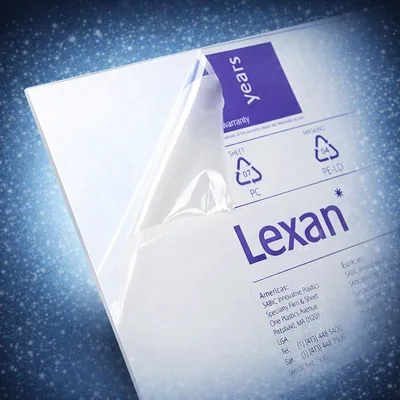
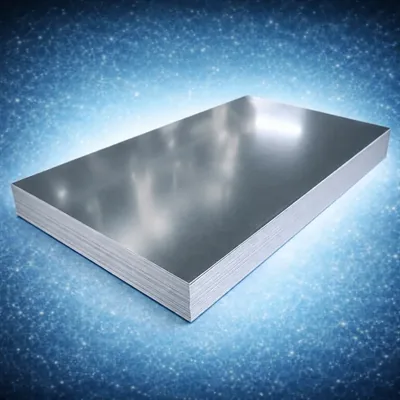
Acrylic sheet (also known as Plexiglass, Perspex, or PMMA) is a rigid, transparent or colored plastic that behaves optically similar to glass. It is the material of choice for LED-illuminated signage, channel letters, and light boxes. Acrylic transmits light effectively, is highly UV-resistant, and maintains its clarity and color for decades in outdoor environments — including the intense Saudi sun.
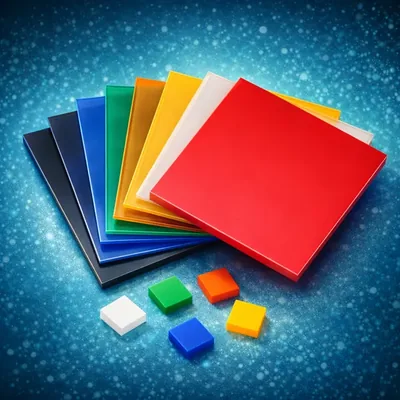
Rio Acrylic supplies acrylic in thicknesses from 2mm to 50mm in clear, white, colored, mirror, and fluorescent options. View our full acrylic sheets range.
What is PVC Foam Board?
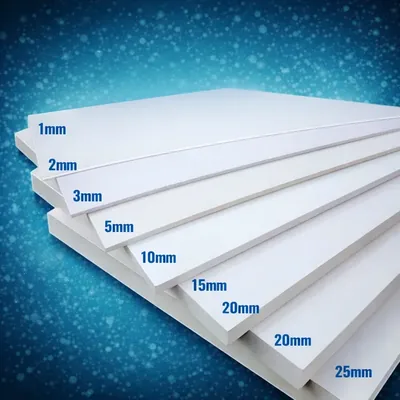
PVC foam board (also known as Forex board, foamex, or PVC Forex) is a rigid, lightweight plastic sheet made from closed-cell expanded PVC. It has a perfectly smooth matte-white surface that is ideal for UV flatbed printing. Unlike acrylic, PVC board is opaque — it does not transmit light, so it cannot be used for illuminated signs. However, it is the industry standard for printed graphics, exhibition displays, and indoor signage.
Key Differences: Acrylic vs PVC Board
| Feature | Acrylic Sheet | PVC Foam Board |
|---|---|---|
| Light Transmission | Excellent (translucent/transparent) | None (opaque) |
| UV Resistance | Excellent — decades of outdoor use | Moderate — can yellow over time |
| Printability | Possible but not primary use | Excellent — designed for UV printing |
| Illuminated Signs | Yes — ideal for LED backlit signs | No — not suitable |
| Weight | Heavier than PVC | Very lightweight |
| Cost | Higher | More affordable |
| Best For | Channel letters, light boxes | UV printing, display boards |
When to Use Acrylic Sheet
- Illuminated channel letter face panels
- Light box fronts and sign faces
- Outdoor signage exposed to direct sunlight for years
- Premium decorative signage with mirror or fluorescent finishes
- Architectural and interior design elements requiring optical clarity
When to Use PVC Foam Board
- UV flatbed printing substrates
- Exhibition and trade show display panels
- Indoor retail and promotional signage
- Menu boards and information boards
- Temporary outdoor signage (sheltered from direct sun)
Frequently Asked Questions
Is acrylic better than PVC board for outdoor signs?
Acrylic is the clear winner for outdoor illuminated signs. It is UV-stable, resists yellowing, and can be backlit with LED modules. PVC board is better for printed indoor graphics and is not ideal for long-term outdoor exposure to the Saudi sun.
Which is cheaper — acrylic or PVC board?
PVC foam board is generally more affordable than acrylic sheet, making it the cost-effective choice for high-volume printing. Acrylic commands a premium because of its optical quality, UV resistance, and light transmission properties.
Can PVC boards be used for LED channel letters?
No. PVC foam board does not transmit light, so it cannot be used for LED-illuminated channel letters. Acrylic sheet (translucent or colored) is the correct material for channel letter faces that need to glow when backlit by LEDs.
Need Both Acrylic and PVC Board?
Rio Acrylic is your one-stop supplier for both materials in Saudi Arabia. We stock both in large quantities for immediate dispatch from our Jeddah warehouse.